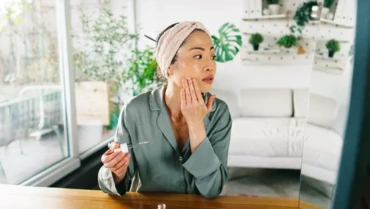

Aging is a natural part of life, but who says your skin has to reveal your age? With the right care and habits, you can maintain youthful, radiant skin even in your later years. Today, a combination of scientific skincare techniques and proven natural remedies can help slow the signs of aging. Whether you’re in your early twenties or already noticing fine lines and wrinkles, this guide offers practical and effective advice to help you glow from within.
1. Protect your skin daily from the sun
Sun exposure is one of the main factors contributing to premature skin aging. Ultraviolet (UV) rays damage the collagen and elastin in your skin, leading to wrinkles, sagging, and age spots. To prevent this, apply a broad-spectrum sunscreen with at least SPF 30 every morning, even on cloudy days. Reapply every two hours when outdoors.
Wearing a wide-brimmed hat, sunglasses, and sunscreen will provide your skin with extra protection. Remember, sun protection isn’t just about preventing wrinkles; it’s also one of the most effective ways to reduce your risk of skin cancer.
2. Maintain adequate hydration through both internal and external care
Moisture is crucial for keeping skin hydrated and radiant. When the body is dehydrated, skin looks dull, dry, and tired. Drink at least eight glasses of water daily; if you exercise regularly or live in a dry climate, you should increase your intake.
For external use, use a high-quality moisturizer that’s appropriate for your skin type. Choose products with ingredients like hyaluronic acid, glycerin, and ceramides—these ingredients help retain moisture and restore the skin’s natural barrier. Constant hydration keeps skin plump and reduces fine lines.
3. Nourish your skin with a healthy diet
Your diet directly affects the condition of your skin. A diet rich in antioxidants, vitamins, and healthy fats helps combat oxidative stress, which accelerates aging. Eat foods like berries, avocados, nuts, salmon, spinach, and olive oil.
Vitamin C stimulates collagen production, while vitamin E protects against UV damage. Omega-3 fatty acids, found in abundance in fish and flaxseed, keep skin soft and hydrated. Eating less sugar and processed foods can also prevent glycation—a process that weakens collagen and leads to sagging skin.
4. Get enough quality sleep
The body repairs itself during sleep, and skin is no exception. Insufficient sleep can cause dark circles, puffiness, and overall fatigue. Aim for 7-9 hours of quality sleep per night.
Try to maintain a regular sleep schedule, keep your room dark and cool, and avoid using electronic screens before bed. Investing in silk pillowcases can also help reduce skin friction, prevent sleep lines, and prevent wrinkles.
5. Develop a regular skincare routine
Consistency is key to maintaining youthful skin. A simple and effective skincare routine should include cleansing, toning, moisturizing, and sun protection. Use gentle cleansers to remove impurities without stripping your skin of its natural oils.
Incorporate anti-aging ingredients like retinol, peptides, and niacinamide into your nighttime skincare routine. Retinol promotes cell turnover, while peptides aid in collagen production. 6. Avoid using too many products at once—do it gradually and give your skin time to adjust.
7. Quit smoking and limit your alcohol consumption.
Smoking is one of the fastest ways to cause premature skin aging. It restricts blood circulation, depletes oxygen and nutrients, and damages collagen and elastin fibers. Over time, this leads to dull skin, sagging, and wrinkles, especially around the mouth.
Excessive alcohol consumption can dry out and inflame the skin, causing redness and puffiness. Drinking alcohol occasionally is fine, but always drink plenty of water to stay hydrated.
8. Regular exercise promotes circulation.
Exercise is not only good for your body, but also for your skin. Regular exercise improves circulation, provides oxygen and nutrients, and helps keep skin cells healthy. Sweating helps flush out toxins, keeping your skin fresh and radiant.
Try to incorporate aerobic exercise, strength training, and yoga into your daily workout routine. Exercise can also lower stress hormone levels, reduce acne and inflammation, and make your skin look younger.
Exfoliate up to once or twice a week with gentle chemical exfoliants like alpha hydroxy acids (AHAs) or beta hydroxy acids (BHAs). Always use a hydrating moisturizer after exfoliating to protect your skin.
10. Use antioxidant-rich skincare products
Antioxidants fight free radicals—unstable molecules that cause premature aging and skin damage. Incorporate serums or creams with vitamin C, green tea extract, or coenzyme Q10 into your skincare routine.
These ingredients brighten your complexion, even out skin tone, and stimulate collagen production. Regular use of antioxidant products can noticeably improve skin elasticity and texture over time.
Frequently Asked Questions (FAQs)
1. At what age should I start using anti-aging products?
It’s never too early to start preventative care. Most dermatologists recommend using gentle anti-aging ingredients like antioxidants and sunscreen starting in your mid-twenties. The goal is to preserve collagen before significant loss occurs.
2. Can natural remedies really help with skin aging?
Yes, natural remedies like aloe vera, green tea, and coconut oil can moisturize and contain antioxidants. However, the best results are achieved by combining them with scientifically proven ingredients like retinol and vitamin C.
3. How often should I use retinol?
If you’re new to retinol, start by applying it once or twice a week in the evening. Gradually increase the frequency as your skin adjusts. Always use sunscreen during the day, as retinol makes your skin more sensitive to sunlight.
4. Does drinking water alone make your skin look younger?
While water keeps you hydrated, it’s not a miracle cure. Healthy skin comes from a combination of hydration, nutrition, and consistent skincare habits. Drinking enough water supports these efforts by keeping your cells functioning properly.
5. Is expensive skincare better than affordable options?
Not necessarily. Many affordable brands offer effective products with high-quality ingredients. The most important thing is choosing products that are suitable for your skin type and following a consistent routine.
Conclusion
Aging is inevitable, but how you care for your skin can make a world of difference. By protecting your skin from the sun, staying hydrated, eating a healthy diet, and following a consistent skincare routine, you can slow the visible aging process and keep your skin radiant for years to come. Remember, youthful skin isn’t just about looking young; it’s also about feeling confident, healthy, and vital, regardless of your age.
With these 10 proven anti-aging tips, you’ll not only maintain your beauty but also invest in lifelong skin health.