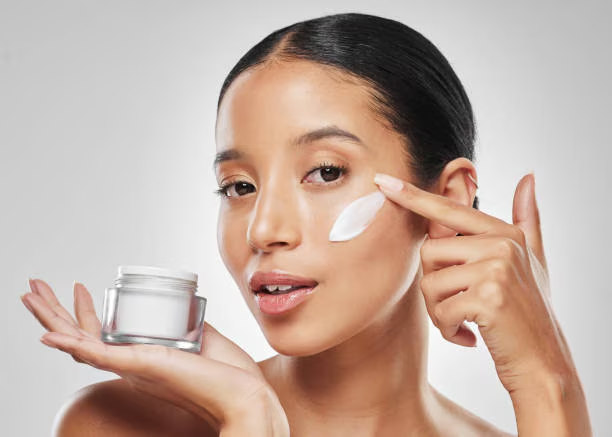
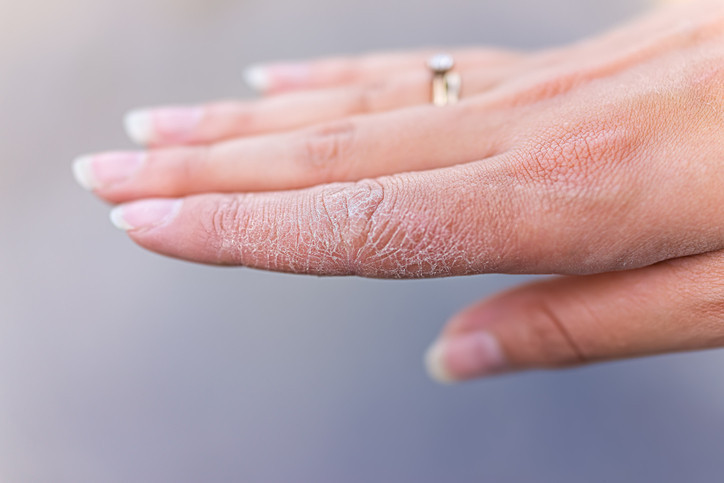
Dry skin can be uncomfortable, leaving your face and body feeling tight, rough, or flaky. While it may seem like a minor issue, untreated dryness can lead to irritation, redness, and even premature aging. Many commercial products promise quick fixes, but natural remedies and lifestyle adjustments often provide the most sustainable results. By understanding what causes dry skin and adopting effective, natural strategies, you can restore moisture, improve texture, and maintain a healthy, glowing complexion.
Understanding Dry Skin
Dry skin occurs when the skin’s natural barrier is compromised, causing it to lose water and essential oils. Environmental factors such as cold weather, low humidity, harsh soaps, and excessive sun exposure can exacerbate dryness. Additionally, aging, certain medical conditions, and inadequate hydration can also contribute to a lack of moisture. Understanding these underlying factors is key to treating dry skin effectively. Addressing the root cause rather than just the symptoms ensures that your skin remains nourished and resilient.
Hydrate from the Inside Out
Proper hydration is the foundation of naturally healthy skin. Drinking enough water throughout the day replenishes your body’s moisture levels, which is essential for soft, supple skin. Herbal teas, infused water, and hydrating foods like cucumbers, watermelon, and oranges can further support hydration. While drinking water alone may not instantly heal dry patches, it strengthens your skin’s overall health and complements topical treatments.
Use Gentle, Natural Cleansers
Many commercial soaps and cleansers contain harsh chemicals that strip the skin of its natural oils, worsening dryness. Opt for gentle, natural cleansers made with ingredients such as honey, oatmeal, or aloe vera. These not only cleanse the skin but also help retain moisture. Cleansing once or twice daily is sufficient for dry skin; over-washing can remove protective oils and increase irritation. By choosing mild products, you create a healthy foundation for your skin to retain hydration.
Moisturize with Natural Oils and Butters
Moisturizing is crucial for dry skin, and natural oils and butters are among the most effective solutions. Coconut oil, jojoba oil, shea butter, and almond oil nourish and lock in moisture while soothing irritation. Apply a small amount after cleansing to seal in hydration, paying extra attention to areas prone to dryness, such as elbows, knees, and hands. Natural moisturizers are gentle on the skin, free from synthetic chemicals, and provide long-lasting hydration.
Incorporate Hydrating Masks
Weekly hydrating masks can help restore moisture and improve skin texture. Ingredients like avocado, honey, yogurt, and aloe vera provide essential nutrients while replenishing hydration. These masks soothe dry, irritated skin and promote softness without harsh chemicals. Applying a hydrating mask once or twice a week strengthens your skin barrier and enhances the effects of your daily skincare routine.
Avoid Hot Showers and Harsh Products
Hot water and harsh skincare products can worsen dryness by stripping away natural oils. Opt for lukewarm water when bathing or washing your face, and choose mild, fragrance-free soaps or cleansers. Limit the use of alcohol-based toners, exfoliants, and strong chemical treatments, as they can further irritate and dehydrate the skin. Gentle care helps your skin retain moisture naturally and prevents long-term damage.
Protect Your Skin from Environmental Factors
Environmental elements such as wind, cold, and low humidity can aggravate dry skin. During winter or dry conditions, cover exposed areas with scarves, gloves, and protective clothing. Using a humidifier indoors can add moisture to the air, preventing skin from drying out. Additionally, applying natural moisturizers before exposure to harsh conditions creates a protective barrier that keeps skin soft and hydrated.
Maintain a Balanced Diet
Nutrition plays a vital role in skin health. Essential fatty acids, found in foods like fatty fish, flaxseeds, walnuts, and chia seeds, help maintain the skin’s natural barrier and prevent moisture loss. Vitamins A, C, and E, abundant in colorful fruits and vegetables, promote skin repair and collagen production. Incorporating a balanced diet rich in nutrients not only supports hydration but also improves skin texture and resilience over time.
Get Adequate Sleep and Reduce Stress
Sleep and stress management are often overlooked but essential for skin hydration. During deep sleep, the body repairs and regenerates skin cells, maintaining elasticity and moisture. Poor sleep or chronic stress can trigger inflammation, dryness, and dullness. Establishing a regular sleep routine, practicing relaxation techniques, and engaging in enjoyable activities help reduce stress and support naturally hydrated, healthy-looking skin.
Stay Consistent with Your Routine
Treating dry skin naturally requires patience and consistency. While natural remedies and lifestyle adjustments are effective, they may take time to show visible results. Sticking to a gentle cleansing routine, applying moisturizers regularly, protecting your skin from environmental stressors, and maintaining healthy habits ensures long-term improvement. Consistency is key to maintaining smooth, radiant skin and preventing recurring dryness.
FAQ: Treating Dry Skin Naturally
What is the best natural oil for dry skin?
Coconut oil, jojoba oil, almond oil, and shea butter are excellent choices. They nourish, soothe irritation, and lock in moisture effectively.
How often should I moisturize dry skin?
Apply moisturizer at least twice daily, once in the morning and once at night, and more frequently if your skin feels tight or exposed to harsh conditions.
Can diet affect skin dryness?
Yes. Foods rich in essential fatty acids, vitamins, and antioxidants help strengthen the skin’s natural barrier, reduce inflammation, and maintain hydration.
Are natural remedies better than commercial products?
Natural remedies are gentle and often effective for mild to moderate dryness. However, severe or persistent dry skin may require dermatologist-recommended treatments.
Is it okay to exfoliate dry skin?
Exfoliation should be gentle and limited to 1-2 times per week. Over-exfoliating can worsen dryness and irritation.
Conclusion
Treating dry skin naturally is not about quick fixes but creating a sustainable routine that addresses both internal and external factors. By hydrating from within, using gentle cleansers, applying natural oils and masks, protecting against environmental damage, and maintaining healthy lifestyle habits, you can restore your skin’s moisture, texture, and radiance. Consistency, patience, and care are essential, and following these natural strategies will leave your skin soft, glowing, and resilient for years to come.