Aging is a natural part of life, but how fast it happens largely depends on how we live. While genetics play a role, your daily habits—especially how you manage stress and sleep—can dramatically influence how youthful or aged your skin and body appear. Many people overlook these two key factors, focusing instead on skincare products or diets. But the truth is, your emotional well-being and sleep quality can determine how gracefully you age.
In this article, we’ll explore how stress and sleep affect aging and share practical, science-backed lifestyle changes to help you slow down the clock naturally.
The Link Between Stress and Aging
Stress is more than just an emotional response—it’s a biological process that impacts every cell in your body. When you experience stress, your body releases a hormone called cortisol. In small amounts, cortisol helps you stay alert. But when stress becomes chronic, high cortisol levels can accelerate aging from the inside out.
1. How Stress Damages Your Skin
Chronic stress reduces the production of collagen and elastin, the proteins responsible for keeping your skin firm and smooth. This can lead to fine lines, sagging, and dullness. Stress also increases inflammation, which contributes to breakouts, redness, and even conditions like eczema or psoriasis.
In other words, constant stress doesn’t just make you feel older—it can make you look older.
2. How Stress Affects the Body
Stress speeds up a process called oxidative stress, where harmful free radicals damage your cells. Over time, this cellular damage contributes to premature aging, weaker immunity, and even chronic diseases. Studies also show that stress shortens telomeres—the protective ends of your DNA strands. Shorter telomeres are linked to a shorter lifespan and earlier appearance of age-related symptoms.
The Role of Sleep in Anti-Aging
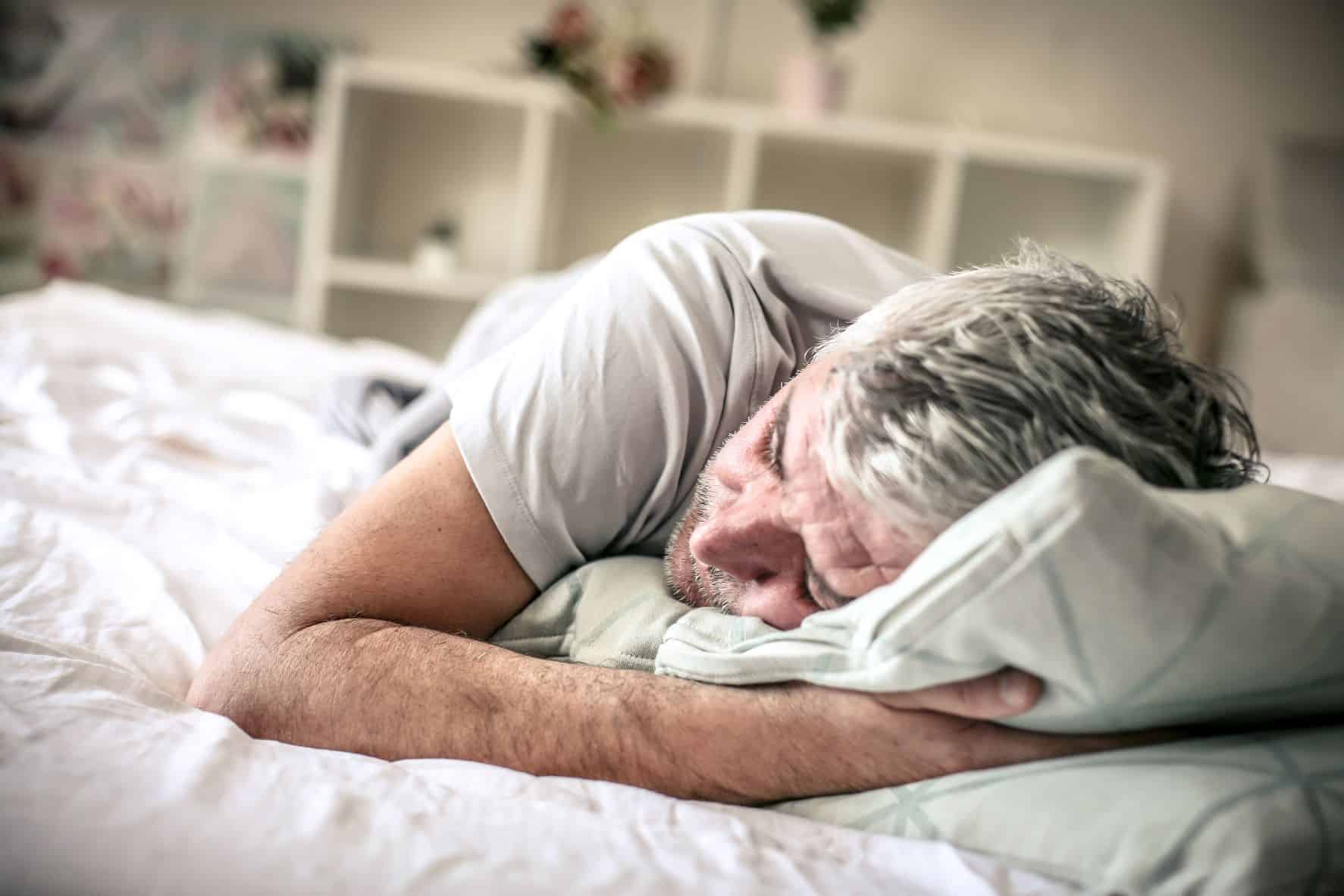
If stress accelerates aging, sleep does the opposite—it’s your body’s natural anti-aging mechanism. While you sleep, your body repairs cells, balances hormones, and regenerates tissues. Lack of quality sleep disrupts these vital functions, making you look and feel older than you are.
1. Sleep and Skin Regeneration
During deep sleep, your skin increases blood flow and repairs daily damage from sun exposure and pollution. This is also when collagen production peaks, helping to prevent wrinkles and fine lines. On the other hand, sleep deprivation makes your skin appear dull, puffy, and prone to dark circles.
2. Sleep and Hormone Balance
A good night’s rest regulates melatonin and growth hormone, both crucial for maintaining youthful energy and skin. Melatonin acts as an antioxidant, fighting the free radicals that cause aging. Growth hormone aids in cell renewal and tissue repair. Without enough sleep, your body produces more cortisol, which—as we learned—breaks down collagen.
3. How Much Sleep Is Enough?
Most adults need between 7 to 9 hours of quality sleep each night. It’s not just about the number of hours but also the quality of your sleep. Deep, uninterrupted sleep ensures your body gets enough time to perform all the restorative processes necessary for youthful health and appearance.
Simple Lifestyle Changes to Slow Down Stress-Related Aging
The good news? You can reverse many of the effects of stress and poor sleep through mindful lifestyle choices. Here are some simple yet effective habits to start today:
1. Practice Mindful Relaxation
Incorporate daily relaxation techniques like deep breathing, meditation, or yoga. Even 10 minutes a day can reduce cortisol levels, relax your nervous system, and boost your mood. Over time, mindfulness can help you handle stress more calmly, leading to less inflammation and a healthier glow.
2. Move Your Body Daily
Exercise is one of the best anti-aging tools. It increases blood flow, delivers oxygen to your cells, and stimulates collagen production. Regular physical activity also reduces stress hormones while releasing endorphins, your body’s natural mood boosters. Aim for at least 30 minutes of walking, cycling, or any movement you enjoy.
3. Prioritize Quality Sleep
Create a calming bedtime routine to help your body wind down. Avoid screens at least an hour before bed, as blue light interferes with melatonin production. Instead, read a book, listen to soothing music, or take a warm bath. Keep your bedroom cool, dark, and quiet to promote restful sleep.
4. Eat Anti-Stress, Anti-Aging Foods
Your diet plays a huge role in how well your body handles stress and repairs itself. Include foods rich in omega-3 fatty acids, vitamin C, and antioxidants—like salmon, berries, green tea, and leafy greens. These nutrients protect your skin and cells from oxidative damage while supporting better sleep quality.
5. Stay Hydrated
Dehydration can amplify the appearance of wrinkles and make your skin look tired. Drink at least 8 glasses of water a day. Herbal teas like chamomile or lavender can also relax your mind before bedtime.
6. Connect with Others
Emotional well-being is just as important as physical health. Spending time with loved ones or engaging in positive social activities can significantly reduce stress and increase feelings of happiness. Studies show that strong social bonds are linked to longer life expectancy and slower aging.
7. Limit Caffeine and Alcohol
Too much caffeine or alcohol can interfere with sleep quality and dehydrate your skin. Try switching your evening coffee for herbal tea and drink alcohol only occasionally. Moderation helps maintain hormonal balance and better sleep patterns.
The Power of a Balanced Mind and Body
Aging gracefully is not about chasing youth—it’s about supporting your body’s natural ability to stay vibrant. When you manage stress effectively and get enough sleep, you’re not only improving your skin but also protecting your heart, brain, and overall longevity. The key is balance—between activity and rest, effort and relaxation.
Your skin reflects what’s going on inside your body. When your mind is calm and well-rested, your complexion naturally looks brighter and more youthful.
FAQs About Stress, Sleep, and Aging
1. Can stress really cause wrinkles?
Yes. Chronic stress increases cortisol, which breaks down collagen and elastin—leading to fine lines and sagging skin over time.
2. How can I sleep better if I’m always stressed?
Try creating a relaxing bedtime ritual. Avoid screens, use calming scents like lavender, and practice deep breathing before bed. Reducing caffeine and setting a consistent sleep schedule also helps.
3. Does lack of sleep cause dark circles?
Absolutely. Inadequate sleep leads to poor blood circulation, causing the blood vessels under your eyes to dilate and appear as dark circles or puffiness.
4. Can meditation really slow aging?
Yes. Meditation lowers stress hormones, improves sleep, and enhances your sense of calm—all of which support healthier skin and slower aging.
5. What’s the best bedtime for healthy aging?
Try going to bed between 10 PM and 11 PM. This aligns with your body’s natural circadian rhythm and supports optimal hormone balance for repair and regeneration.
Final Thoughts
Stress and sleep are two of the most underestimated factors in how we age. While you can’t control every stressor in life, you can control how you respond to them and how you care for your body. By prioritizing relaxation, quality sleep, and balanced living, you’ll not only look younger but also feel more energetic and at peace.
Remember—true beauty begins with how well you treat yourself from the inside out. Start small, stay consistent, and your mind, body, and skin will thank you for years to come.