
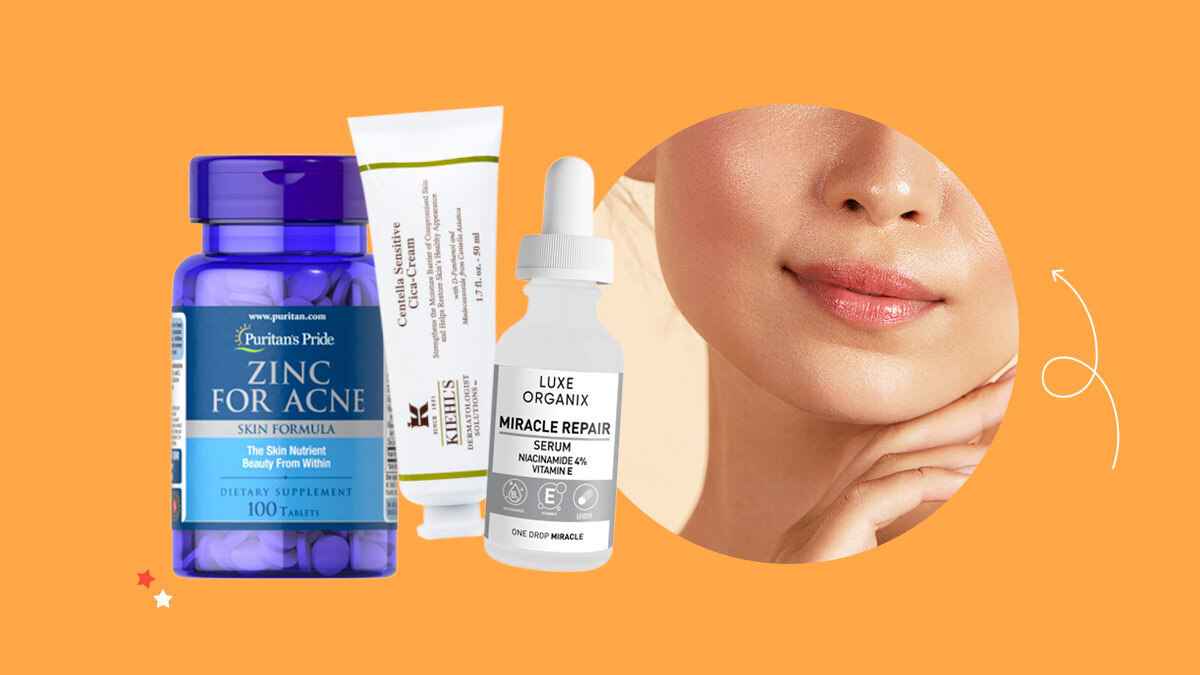
Everyone wants skin that looks vibrant, smooth and youthful — but external routines only go so far. What you put inside your body has a major impact on how your skin ages, how resilient it is, and how well it recovers. While a balanced diet is the foundation, certain vitamins and supplements can support your skin’s health and appearance when used thoughtfully. In this article, we’ll explore which nutrients are truly helpful, how they work, and what to keep in mind so you make smart choices.
Why Vitamins & Supplements Matter for Skin Health
Your skin is the body’s largest organ and is constantly exposed to environmental stressors: UV rays, pollution, irritation, even internal effects like inflammation or nutrient depletion. Vitamins and supplements can support your skin by:
-
Providing antioxidants to protect against free-radical damage (one of the root causes of aging skin).
-
Supporting collagen formation and elastin production—key proteins that keep skin firm, smooth and elastic.
-
Helping maintain the skin barrier, which locks in moisture and keeps irritants out.
-
Reducing inflammation and repairing damage caused by lifestyle factors like lack of sleep, stress or poor diet.
Of course, supplements are not magic pills — they work best alongside healthy habits (good sleep, hydration, sun protection, nutrition). And if you’re already well-nourished, the benefit may be more modest. Many dermatologists emphasise that if you’re healthy, a good diet is often enough. American Academy of Dermatology+1
Key Vitamins & Nutrients for Younger-Looking Skin
Here are the most reliably studied vitamins and supplements that support skin health, and how you might consider using them.
Vitamin A
Vitamin A (and its derivatives like retinol) supports skin renewal and cell turnover. It helps shed dead skin cells faster, and supports collagen and elastin production—helping skin look smoother and firmer. Holland & Barrett+1
Foods: Sweet potatoes, carrots, leafy greens, eggs, dairy.
Note: Because excess vitamin A is toxic, it’s wise to consult your doctor before high-dose supplementation.
Vitamin C
Arguably one of the most essential vitamins for skin health. Vitamin C is a key nutrient for collagen synthesis, and also works as an antioxidant to protect from UV and pollution damage. Healthline+1
Tips: Choose a supplement and/or focus on Vitamin-C rich foods: citrus fruits, berries, peppers, kiwi. A supplement may help if your diet is low or you have higher needs.
Vitamin E
Another powerful antioxidant that supports skin hydration and protects from oxidative stress. It works synergistically with vitamin C. Healthline+1
Sources: Nuts, seeds, vegetable oils, spinach.
Vitamin D
Often overlooked for skin. Vitamin D supports skin tone, barrier health, and recovery. Very common to have low levels (especially in low-sun environments). Healthline
Note: While you can get some from sun exposure, supplementation may be needed—especially if your levels are low.
Omega-3 Fatty Acids
While not a “vitamin” per se, omega-3s (from fish oil, flaxseed, etc) are crucial for skin health: they help reduce inflammation, support the lipid barrier of the skin (keeping it hydrated and less prone to damage) and may slow visible aging signs. Veterans Affairs+1
Tip: If you rarely eat fatty fish, consider a high-quality fish oil or marine-based supplement.
Zinc & Selenium
Minerals that support skin healing and resilience. Zinc helps in wound healing, sebum regulation, and immune response. Selenium helps protect skin cells from oxidative stress. Invastor
Bonus: These are especially helpful if you have skin conditions (acne, eczema) or nutritional gaps.
Collagen & Hyaluronic Acid (Oral Supplements)
Again, not strictly vitamins, but increasingly studied for skin appearance:
-
Collagen peptides: Some studies suggest supplementation (2.5–10 g per day for 4–24 weeks) may improve skin hydration and elasticity. Healthline+1
-
Hyaluronic acid oral supplements: Good for supporting skin hydration from the inside. Verve
Important: These can complement but not replace fundamental nutrients, diet and skin protection.
How to Make Smart Choices & Avoid Pitfalls
-
Consult your doctor: Especially if you’re pregnant, taking medications or have skin/health conditions. Some supplements may interfere with labs or medications. American Academy of Dermatology+1
-
Focus on dose & quality: More is not always better. Some vitamins (especially fat-soluble ones like A, D, E) can accumulate and cause harm in excess. The Sun
-
Prefer food sources first: Whole-food nutrients often come in balanced forms with co-factors (minerals, bio-actives) that enhance effectiveness. Supplements fill gaps. American Academy of Dermatology+1
-
Select reputable brands: Look for third-party certifications (e.g., USP, NSF) to ensure quality and actual ingredients. American Academy of Dermatology
-
Avoid relying solely on supplements: No pill replaces good skincare, sun protection, hydration, sleep and a healthy diet. They are tools, not magic fixes.
Integrating Into Your Skin-Health Routine
Here’s how you might integrate these nutrients into a healthy lifestyle for younger-looking skin:
-
Start with a multivitamin (if your diet is varied yet still low in certain nutrients) or targeted supplements if you know you’re deficient (e.g., Vitamin D, Collagen).
-
Add in a daily omega-3 if you don’t consume fatty fish regularly.
-
Supplement Vitamin C (especially if you smoke, experience high stress, or are exposed to UV/pollution) to support collagen and antioxidant protection.
-
Use Vitamin A / Retinol-type nutrients under professional guidance for texture, fine lines and renewal.
-
Evaluate your skin condition and nutritional status: e.g., if you have acne, eczema or dryness, minerals like zinc/selenium may help; if your skin is dry/hydrated well but lacking elasticity, collagen/HA may be helpful.
-
Track progress: It usually takes 8–12 weeks (or longer) to see measurable skin-changes from nutrition/supplement support. Be patient.
-
Maintain your basics: daily sunscreen, gentle cleanser, consistent moisturizer, good sleep, hydration and a diet rich in fruits, vegetables, healthy fats, lean protein. Without this foundation, supplements under-deliver.
Frequently Asked Questions (FAQs)
1. Do I really need skin-specific supplements if I eat well?
If you already have a well-balanced diet rich in vitamins, minerals, omega-3s and plant-foods, you may not need many additional supplements. Many specialists advise focusing on diet and lifestyle first. American Academy of Dermatology+1
However, if you have known deficiencies, poor absorption, dietary restrictions or higher needs (age, skin damage, smoking, sun exposure), then targeted supplementation can help.
2. Which supplements target wrinkles specifically?
Supplements that support collagen production (Vitamin C, Zinc), protect from oxidative damage (Vitamins C & E, Selenium, Omega-3s), or provide structural support (Collagen peptides, Hyaluronic acid) all contribute. While none guarantee wrinkle elimination, they support firmer, more resilient skin.
3. Are there risks to taking too many supplements for skin?
Yes—especially when fat-soluble vitamins (A, D, E) build up in your system, or when high doses interact with medications or medical conditions. Some supplements aimed at skin/hair only may be under-regulated. For example:
“Some supplements may seem perfect on paper but could end up compromising your health.” American Academy of Dermatology
Always choose quality, follow recommended doses, and work with a healthcare provider.
4. Can supplements replace sunscreen or topical skincare?
No. Supplements support skin health internally, but they do not replace sun protection, gentle cleansing, topical care, or healthy behaviours. They are part of the full skin-health strategy—not the whole strategy.
5. How long until I see results?
It varies widely based on your starting point, nutrient status, lifestyle, age and skin condition. Some studies show improvements in hydration or texture in ~8–12 weeks; deeper changes (firmness, elasticity) may take longer. Healthline
Consistency is more important than speed.
Conclusion
Supporting younger-looking skin isn’t just about creams and serums—it’s also about giving your body the nutrients it needs to repair, protect and renew your skin from the inside out. Vitamins like A, C, D, E, omega-3 fatty acids, zinc, selenium, and emerging supplements such as collagen peptides and hyaluronic acid all play important roles in this process.
But remember: supplements are supportive, not a replacement for a healthy lifestyle, sun protection, sleep, hydration and a nutrient-rich diet. Make smart choices, consult your healthcare provider when needed, and give your body and skin the foundation they need to look and feel their best.
Young-looking skin is less about chasing the fountain of youth, and more about consistency, nourishment and protection. Your skin will reflect how well you treat it from the inside out.