Introduction
Finding the perfect foundation can feel like a daunting task. With countless shades, formulas, and finishes, it’s easy to end up with a product that looks unnatural or doesn’t last. The right foundation, however, can enhance your complexion, even out skin tone, and give you a flawless base for your makeup.
This guide will walk you through everything you need to know about choosing the right foundation for your skin tone, including tips on undertones, formulas, and application techniques. By the end, you’ll have the confidence to pick a foundation that truly suits your skin and enhances your natural beauty.
1. Understand Your Skin Tone and Undertone
Before choosing a foundation, it’s crucial to understand your skin tone and undertone.
-
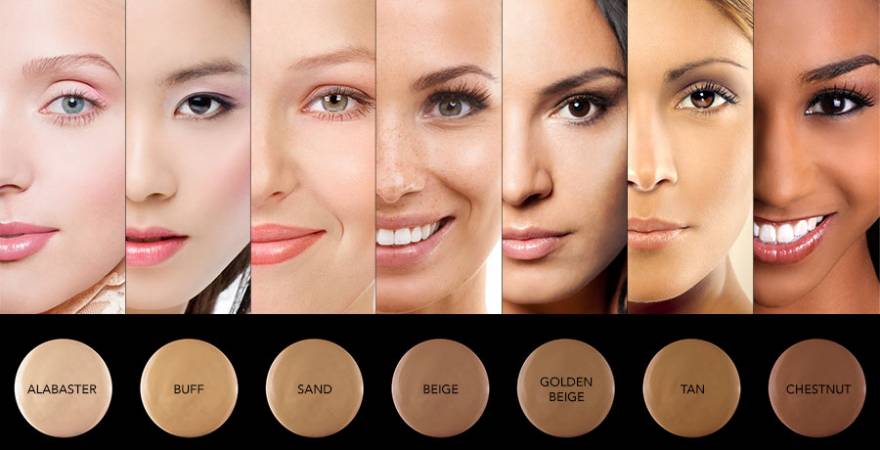
Skin tone refers to the surface color of your skin, often categorized as fair, light, medium, tan, or deep.
-
Undertone is the subtle hue beneath your skin, which can be cool, warm, or neutral.
How to Determine Your Undertone:
-
Vein test: Look at the veins on your wrist. Blue or purple veins indicate a cool undertone, green veins suggest warm, and a mix indicates neutral.
-
Jewelry test: Silver jewelry looks best on cool undertones, gold complements warm undertones, and both suit neutral tones.
-
Sun reaction: If your skin burns easily, you may have a cool undertone; if you tan easily, likely warm.
Understanding undertones ensures the foundation complements your natural skin color instead of clashing or looking gray.
2. Identify Your Desired Foundation Finish
Foundation comes in various finishes, and choosing one depends on your skin type and desired look:
-
Matte: Controls oil and shine, ideal for oily or combination skin.
-
Dewy: Provides a natural glow, best for dry or normal skin.
-
Satin or natural: Offers a balanced, soft finish, suitable for most skin types.
Choosing the right finish helps your foundation look seamless and feel comfortable throughout the day.
3. Choose the Right Formula for Your Skin Type
Your skin type plays a major role in selecting a foundation formula:
-
Liquid foundation: Versatile, hydrating, and suitable for most skin types; easy to build coverage.
-
Powder foundation: Good for oily or combination skin; provides a matte finish but may emphasize dryness.
-
Cream or stick foundation: Offers medium to full coverage, great for normal to dry skin; ideal for targeted coverage.
-
Mineral foundation: Often natural and lightweight; suitable for sensitive or acne-prone skin.
Matching the formula to your skin type ensures the foundation lasts longer and looks natural.
4. Test Foundation Shades Properly
Testing foundation correctly is essential to find a shade that blends seamlessly with your skin:
-
Always test on your jawline or neck, not your hand or wrist, to match your face with your neck.
-
Test in natural daylight to see the true color.
-
Start with two shades close to your skin tone and blend to see which matches best.
A properly matched foundation eliminates the “mask effect” and creates a smooth, uniform base.
5. Consider Coverage Needs
Foundation coverage ranges from sheer to full, and your choice depends on your preferences and skin concerns:
-
Sheer coverage: Ideal for a natural, everyday look; evens out minor imperfections.
-
Medium coverage: Hides redness, blemishes, and uneven tones while maintaining a natural appearance.
-
Full coverage: Perfect for special occasions or for covering major imperfections; can be layered for a flawless finish.
Understanding coverage helps you choose a foundation that meets your desired look without feeling heavy.
6. Check for Additional Benefits
Many foundations now include skincare and protective benefits, such as:
-
SPF: Protects against UV damage.
-
Hydration: Prevents dryness and flakiness.
-
Oil control: Helps reduce shine for oily skin.
-
Anti-aging ingredients: Vitamins and antioxidants can improve skin health over time.
Choosing a foundation with added benefits can simplify your beauty routine and protect your skin while providing coverage.
7. Proper Application Techniques
Even the perfect shade can look off if applied incorrectly.
-
Prep the skin: Cleanse, moisturize, and apply primer.
-
Use tools wisely: Brushes, sponges, and fingers all work; sponges provide a seamless finish.
-
Build coverage gradually: Apply thin layers and blend well to avoid caking.
-
Set the foundation: Use translucent powder or setting spray for long-lasting wear.
Proper application ensures your foundation looks natural, lasts all day, and feels comfortable.
8. Tips for Long-Lasting Wear
-
Layer strategically: Use primer, foundation, and setting powder.
-
Touch up as needed: Blot excess oil and reapply powder on oily areas.
-
Avoid over-application: Too much product can cake and settle into lines.
-
Adapt for seasons: Lighter formulas in summer, hydrating formulas in winter.
These tips help maintain a fresh, flawless finish throughout the day.
FAQs About Choosing Foundation
1. How can I find the perfect shade online?
Use online shade-matching tools provided by brands, check reviews with photos, and request samples if available.
2. Can I mix foundations to get the right color?
Yes! Mixing two shades can help match your undertone or seasonal changes in skin tone.
3. Should I change foundation formulas with age?
Yes, as skin texture and oil levels change, you may prefer hydrating or lightweight formulas over heavy matte foundations.
4. How do I know if my foundation is oxidizing?
If your foundation darkens after application, it’s oxidizing. Try a different formula or mix with a lighter shade to prevent this.
5. Can I wear foundation on sensitive skin?
Yes, but choose hypoallergenic, fragrance-free, or mineral formulas to minimize irritation.
Conclusion
Choosing the right foundation is more than picking a color; it involves understanding your skin tone, undertone, type, desired coverage, and finish. By testing properly, selecting suitable formulas, and applying carefully, you can achieve a natural, flawless look that enhances your features and boosts confidence.
With these tips, every foundation purchase becomes a success, and your makeup routine becomes simpler, more enjoyable, and tailored to your unique skin. A well-chosen foundation isn’t just makeup—it’s a base that lets your natural beauty shine through.