
Acne is one of the most common skin concerns, affecting people of all ages. Breakouts can be frustrating, uncomfortable, and sometimes leave lasting scars if not managed properly. While there is no one-size-fits-all solution, adopting the right skincare habits can significantly improve skin clarity and reduce flare-ups. Understanding what helps and what worsens acne is key to creating a routine that supports healthy, balanced skin.
Understanding Acne-Prone Skin
Acne occurs when hair follicles become clogged with oil, dead skin cells, and bacteria. Hormonal fluctuations, stress, diet, and environmental factors can exacerbate breakouts. Acne-prone skin can be oily, combination, or even dry depending on the individual, and it often requires a balanced approach that addresses excess sebum, inflammation, and bacterial growth. Understanding your skin’s tendencies allows you to select products and practices that help prevent breakouts rather than aggravate them.
The Dos of Acne-Prone Skin Care
Cleansing is the foundation of any skincare routine, and it is especially important for acne-prone skin. Use a gentle, non-comedogenic cleanser twice a day to remove dirt, oil, and makeup without stripping your skin of its natural moisture. Consistent cleansing keeps pores clear and helps prevent new breakouts.
Exfoliation can also play a helpful role when done correctly. Gentle chemical exfoliants containing ingredients like salicylic acid or lactic acid promote cell turnover and unclog pores. Exfoliating one to two times a week helps reduce blackheads and whiteheads while maintaining smooth skin.
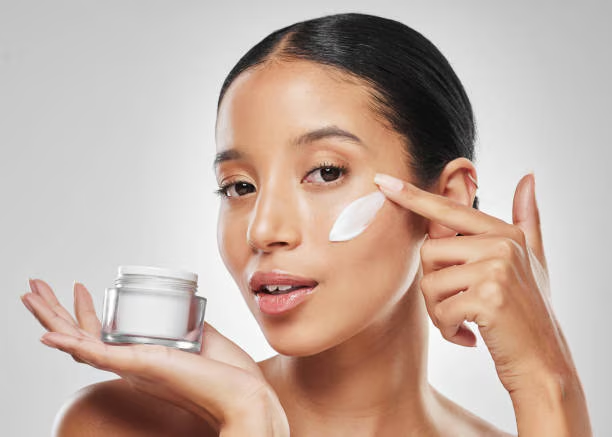
Moisturizing may seem counterintuitive for oily or acne-prone skin, but it is essential. Lightweight, non-comedogenic moisturizers keep the skin hydrated without clogging pores. Proper hydration helps balance oil production, preventing your skin from overcompensating and creating more breakouts.
Sun protection is another essential step. Daily use of a broad-spectrum sunscreen protects against harmful UV rays that can worsen inflammation and cause post-acne hyperpigmentation. Choose a sunscreen formulated for acne-prone skin that is oil-free and non-comedogenic.
Targeted treatments, such as benzoyl peroxide or niacinamide serums, can help reduce inflammation and kill acne-causing bacteria. Introducing these products gradually allows your skin to adjust and minimizes irritation. Consistency and patience are key, as noticeable improvements may take several weeks.
The Don’ts of Acne-Prone Skin Care
Avoid harsh scrubbing or using abrasive physical exfoliants. Over-scrubbing can damage the skin barrier, increase redness, and worsen acne. Similarly, resist the urge to pick or pop pimples, as this can lead to infection, scarring, and prolonged healing.
Steer clear of heavy, oil-based products that can clog pores. Even if a product promises hydration or anti-aging benefits, it may not be suitable for acne-prone skin if it exacerbates breakouts. Overusing active ingredients like retinoids or acids without proper guidance can also irritate the skin, leading to more breakouts instead of clearing them.
Neglecting lifestyle factors can undermine even the best skincare routine. Poor diet, inadequate sleep, and high stress levels can trigger hormonal changes that worsen acne. Alcohol, smoking, and excessive sugar intake can also negatively impact skin health. Maintaining a healthy lifestyle supports your skincare efforts and improves long-term results.
Lifestyle Tips for Clearer Skin
A balanced diet rich in antioxidants, vitamins, and essential fatty acids can reduce inflammation and promote healthy skin. Foods such as leafy greens, berries, nuts, and fatty fish are particularly beneficial. Drinking plenty of water helps flush out toxins and keeps the skin hydrated, supporting its natural barrier.
Regular exercise improves blood circulation, which delivers nutrients and oxygen to the skin while helping regulate hormones. Stress management through meditation, yoga, or hobbies can also reduce acne flare-ups triggered by stress hormones. Simple lifestyle changes complement your skincare routine and contribute to overall skin health.
Common Mistakes to Avoid
Many people with acne-prone skin make common mistakes that hinder progress. Switching products too frequently can irritate the skin and prevent it from adjusting to effective treatments. Using multiple active ingredients simultaneously without guidance can lead to sensitivity and dryness. Skipping sunscreen or relying solely on spot treatments without addressing overall skin health can also limit results. A balanced, patient, and consistent approach is far more effective than quick fixes or experimental routines.
FAQ: Acne-Prone Skin Care
How often should I wash my face if I have acne-prone skin?
Cleansing twice a day—morning and night—is recommended. Over-washing can strip natural oils and trigger more oil production.
Are natural remedies effective for acne?
Some natural ingredients like tea tree oil, aloe vera, and green tea can support acne-prone skin, but they work best when combined with a consistent skincare routine.
Can diet affect acne?
Yes. Diets high in sugar, dairy, and processed foods may worsen breakouts, while nutrient-rich foods can help reduce inflammation and promote clearer skin.
Is it safe to use retinoids on acne-prone skin?
Yes, but start with low concentrations and use them at night. Always pair retinoids with sunscreen during the day.
Can stress make acne worse?
Absolutely. Stress triggers hormonal changes that can increase oil production and inflammation, leading to more breakouts.
Conclusion
Managing acne-prone skin requires a thoughtful combination of proper skincare, targeted treatments, and healthy lifestyle habits. Cleansing gently, moisturizing appropriately, protecting from the sun, and using effective treatments consistently are essential steps. Equally important is avoiding harmful practices such as over-exfoliating, picking at blemishes, or using heavy products. By following these dos and don’ts, you can reduce breakouts, improve skin clarity, and maintain a healthy, confident complexion. Patience, consistency, and understanding your skin’s unique needs are the keys to long-term success in achieving clearer skin.