
Your skin works hard throughout the day, defending against pollution, UV rays, and other environmental stressors. Nighttime is when the skin naturally enters repair and regeneration mode, making it the perfect opportunity to provide nourishment and care. A structured night skincare routine can enhance this natural process, reduce signs of aging, improve texture, and leave your skin radiant by morning. Understanding the key steps and ingredients for effective nighttime care is essential for healthy, rejuvenated skin.
Why Nighttime Skincare is Important
During sleep, the skin’s metabolic rate increases, and blood flow to the skin intensifies. This allows for efficient repair of damage caused by free radicals, environmental toxins, and daily stressors. Collagen production is also more active at night, which supports skin elasticity and firmness. Neglecting nighttime skincare can slow down this natural repair process, leading to dullness, dryness, and accelerated aging. A thoughtful night routine maximizes the skin’s restorative capabilities, promoting a smoother, more youthful complexion over time.
Step 1: Thorough Cleansing
The first step in any night skincare routine is cleansing. Throughout the day, your skin accumulates dirt, oil, makeup, and pollutants. Leaving these residues on your skin overnight can clog pores, cause breakouts, and impede the repair process. Use a gentle cleanser suited to your skin type to remove impurities without stripping natural moisture. For those who wear makeup or sunscreen, a double cleanse—starting with an oil-based cleanser followed by a water-based one—ensures complete removal of residues while keeping skin balanced and refreshed.
Step 2: Exfoliation (1-2 Times Per Week)
Exfoliation removes dead skin cells, promoting cell turnover and revealing a smoother complexion. At night, chemical exfoliants containing alpha-hydroxy acids (AHAs) or beta-hydroxy acids (BHAs) are preferred over harsh physical scrubs, which can irritate the skin. Exfoliating one to two times per week improves absorption of subsequent skincare products and enhances the effectiveness of your night routine. Over-exfoliating, however, can damage the skin barrier, so moderation is key.
Step 3: Toner or Essence
Toners and essences help restore the skin’s pH balance after cleansing, while providing hydration and preparing the skin to absorb serums and moisturizers more effectively. Look for alcohol-free, soothing formulas enriched with hydrating ingredients such as aloe vera, hyaluronic acid, or green tea extract. This step ensures that your skin is well-prepped to receive the maximum benefit from active treatments.
Step 4: Targeted Treatments and Serums
Nighttime is ideal for applying treatments and serums that address specific skin concerns. Ingredients like retinol, peptides, vitamin C, or niacinamide can repair damage, boost collagen production, and even out skin tone. Retinol, for example, is best used at night, as it can make the skin sensitive to sunlight. Serums with antioxidants counteract free radicals and support the skin’s natural healing process. Introduce new treatments gradually and follow instructions to avoid irritation and maximize results.
Step 5: Moisturizing and Hydration
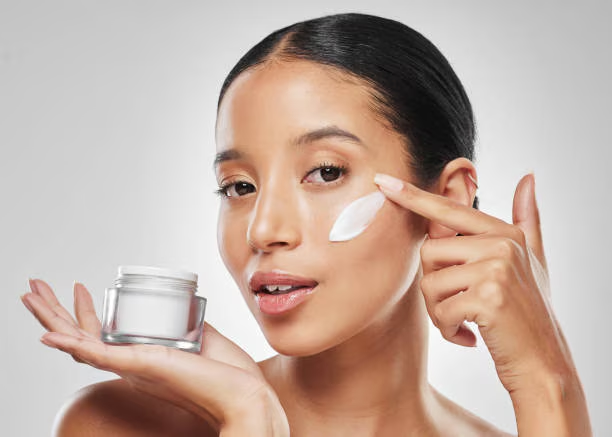
Moisturizing at night locks in hydration and strengthens the skin barrier, supporting repair and regeneration. Choose a moisturizer suitable for your skin type—lightweight for oily or combination skin, and richer creams or oils for dry skin. Night creams often contain nourishing ingredients like ceramides, hyaluronic acid, or natural oils that deeply hydrate while repairing the skin overnight. Applying a moisturizer consistently ensures your skin remains soft, plump, and resilient.
Step 6: Eye Cream and Lip Care
The delicate skin around the eyes and lips requires extra attention. Eye creams with peptides, caffeine, or hyaluronic acid reduce puffiness, fine lines, and dark circles. Lip balms with natural oils or butters keep lips hydrated and prevent chapping while you sleep. Incorporating these small but significant steps enhances your overall night skincare routine and maintains a youthful, refreshed appearance.
Step 7: Lifestyle Habits to Support Skin Repair
Nighttime skincare is not just about topical products. Lifestyle habits greatly influence skin repair and rejuvenation. Quality sleep allows the body to produce collagen and repair damaged cells efficiently. Stress management, through meditation or relaxation techniques, reduces cortisol levels, which can otherwise hinder skin regeneration. Staying hydrated and maintaining a balanced diet rich in vitamins, minerals, and antioxidants supports overall skin health, complementing your nightly routine.
Common Mistakes to Avoid
Even with a structured routine, some common mistakes can undermine results. Going to bed with makeup on prevents proper repair and can lead to breakouts. Overloading the skin with too many active ingredients at once may cause irritation. Using harsh cleansers or skipping moisturizer disrupts the skin barrier and slows healing. Consistency, gentle care, and listening to your skin’s needs are crucial for maximizing the benefits of nighttime skincare.
FAQ: Night Skincare Routine
Do I need a separate night cream?
Yes, night creams are often richer and formulated with repair-focused ingredients like retinol and peptides, which work best during sleep.
Can I use retinol every night?
Start with 2–3 nights a week and gradually increase based on skin tolerance. Always pair with sunscreen during the day.
Is it necessary to exfoliate every night?
No. Exfoliation 1–2 times per week is sufficient. Over-exfoliating can damage the skin barrier.
Can I skip toner if I use a serum?
While not mandatory, toner helps prep the skin for better absorption of serums and balances pH levels.
Does sleep affect my skin’s repair process?
Yes. Quality sleep enhances collagen production and allows the skin to repair damage from daily stressors, making it an essential part of any night routine.
Conclusion
A well-structured night skincare routine is a powerful way to repair, rejuvenate, and maintain healthy skin. By cleansing thoroughly, applying targeted treatments, moisturizing adequately, and supporting your skin with healthy lifestyle habits, you can maximize your skin’s natural repair processes. Consistency, patience, and understanding your skin’s unique needs are essential for achieving radiant, youthful skin. Nighttime care is an investment in your skin’s future, ensuring it remains vibrant, resilient, and glowing every morning.