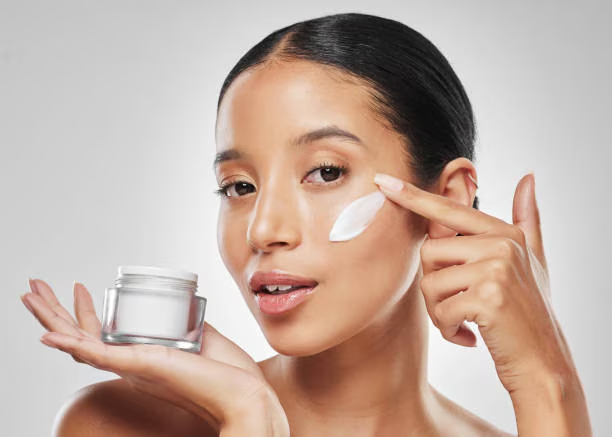
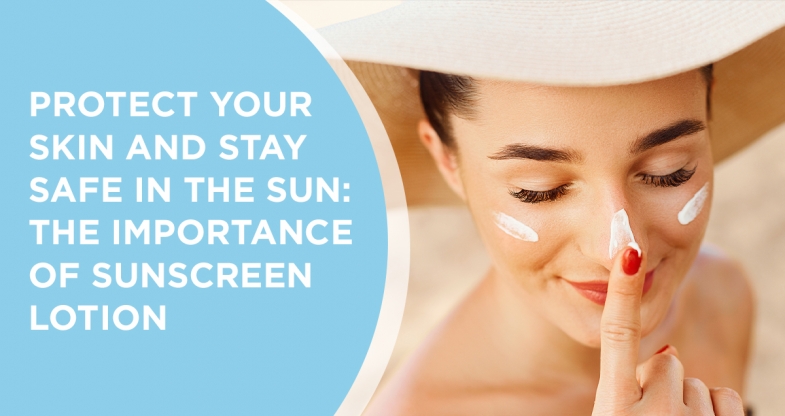
Sunscreen is often overlooked in daily skincare routines, yet it is one of the most effective tools to protect your skin from damage. Ultraviolet (UV) rays from the sun are a leading cause of premature aging, sunburn, dark spots, and even skin cancer. Using sunscreen daily is not just for sunny days at the beach—it is essential every day, all year round. Understanding how sunscreen works and incorporating it correctly into your routine can dramatically improve your skin’s health and longevity.
Why Sunscreen is Essential
The sun emits two types of harmful rays: UVA and UVB. UVA rays penetrate deep into the skin, causing premature aging, wrinkles, and loss of elasticity. UVB rays are primarily responsible for sunburn and can directly damage the skin’s DNA. Over time, repeated exposure to these rays can lead to skin cancer. Sunscreen acts as a protective barrier, either reflecting or absorbing UV rays, preventing them from causing harm. Daily application reduces the risk of long-term damage and keeps your skin looking youthful and healthy.
Choosing the Right Sunscreen
Selecting the right sunscreen is crucial for effective protection. Look for a broad-spectrum sunscreen that protects against both UVA and UVB rays. SPF, or Sun Protection Factor, measures the level of protection against UVB rays. Dermatologists generally recommend an SPF of at least 30 for daily use.
The formulation also matters. Lightweight, non-comedogenic sunscreens are ideal for everyday wear, especially for those with oily or acne-prone skin. Creams and lotions work well for dry skin, while gel or fluid formulas are better for combination or oily skin types. Water-resistant options are essential if you are sweating or spending time in water. By choosing a sunscreen suited to your skin type and lifestyle, you ensure maximum protection without irritation.
How to Apply Sunscreen Correctly
Proper application is just as important as choosing the right sunscreen. Apply a generous layer to all exposed areas of the skin, including the face, neck, ears, and hands. Most adults need about one teaspoon for the face and neck and a shot-glass amount for the body. Apply sunscreen 15 to 30 minutes before sun exposure to allow it to form an effective barrier.
Reapplication is necessary, especially if you are outdoors for extended periods, sweating, or swimming. Reapply every two hours, or more frequently in these situations, to maintain consistent protection. Combining sunscreen with other protective measures, such as wearing hats, sunglasses, and protective clothing, enhances your skin’s defense against UV damage.
Integrating Sunscreen into Your Daily Routine
Sunscreen should be a non-negotiable part of both morning and daytime routines. Apply it as the final step of your skincare regimen, after moisturizer and before makeup. Some makeup products include SPF, but they are usually insufficient on their own for full protection. By consistently using sunscreen every day, even on cloudy days or when indoors near windows, you protect your skin from both visible damage and long-term health risks.
Additional Benefits of Sunscreen
Beyond preventing sunburn and skin cancer, sunscreen offers several other benefits. It slows down the formation of wrinkles, fine lines, and dark spots caused by UV exposure. Regular sunscreen use helps maintain an even skin tone and prevents premature aging. Moreover, it supports the effectiveness of other skincare treatments, such as retinoids or vitamin C serums, by protecting the skin from oxidative stress and inflammation. In essence, sunscreen preserves your skin’s health and enhances the results of your overall skincare routine.
Common Sunscreen Mistakes to Avoid
Many people make mistakes that reduce the effectiveness of sunscreen. Applying too little, skipping reapplication, or using expired products can leave your skin unprotected. Some also assume that sunscreen is unnecessary on cloudy days, but UV rays can penetrate clouds and windows. Avoid rubbing your face harshly after application, as this can remove the product. Awareness of these common errors ensures that sunscreen works as intended and provides consistent protection.
Lifestyle Habits to Support Skin Protection
While sunscreen is essential, other lifestyle habits enhance your skin’s defense. Wearing protective clothing, such as wide-brimmed hats and long sleeves, provides an extra barrier. Seeking shade during peak sunlight hours (10 a.m. to 4 p.m.) reduces UV exposure. Maintaining hydration, a balanced diet, and antioxidant-rich skincare products strengthens the skin’s natural defenses. Combining these habits with daily sunscreen use ensures comprehensive protection and promotes long-term skin health.
FAQ: Sunscreen and Daily Skin Protection
Do I need sunscreen indoors?
Yes. UVA rays can penetrate windows, causing skin damage even indoors. Daily use helps prevent long-term harm.
Can I skip sunscreen on cloudy days?
No. Up to 80% of UV rays can pass through clouds, so sunscreen is necessary even on overcast days.
How much sunscreen should I apply to my face?
About one teaspoon for the face and neck is recommended. Apply generously to ensure adequate coverage.
Is higher SPF always better?
SPF 30 is generally sufficient for daily use. Higher SPFs offer slightly more protection but must be applied correctly and reapplied consistently.
Can sunscreen prevent premature aging?
Absolutely. Regular use protects against wrinkles, fine lines, dark spots, and loss of elasticity caused by UV exposure.
Conclusion
Sunscreen is a vital component of any skincare routine, providing essential protection against harmful UV rays, premature aging, and skin cancer. Choosing the right formulation, applying it correctly, and integrating it into your daily routine ensures maximum benefits. Alongside protective clothing, healthy habits, and mindful sun exposure, sunscreen helps maintain youthful, radiant, and healthy skin. Consistency is key—making sunscreen a daily habit is one of the most effective ways to safeguard your skin now and in the future.